

Introduction
A broiler manager or technician will be successful in his production and breeding process when he has a complete understanding of the growth potential of the breeding bird and the provision of these needs by the facilities available on the farm, and he makes every effort to create a balance between these two. Without a doubt, success in breeding a living creature will not be achieved except through the round-the-clock study, effort, and compassion that are generally expected of broiler managers, technicians, and personnel.
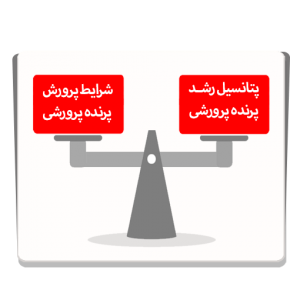
Below are some things that a grower should pay attention to during the production process:
A good breeder is certainly familiar with the natural states of the bird in the best breeding conditions, so without knowing such symptoms, it will be difficult to diagnose improper breeding conditions and bird management. The breeder is expected to add to his scientific and experimental information day by day during the many years of operation and production process in breeding complexes and to make the necessary efforts to improve breeding management as best as possible. In general, the breeder is expected to perform much better in each new breeding period than in the previous periods and the mistakes or problems of the previous period are not repeated in the new period.
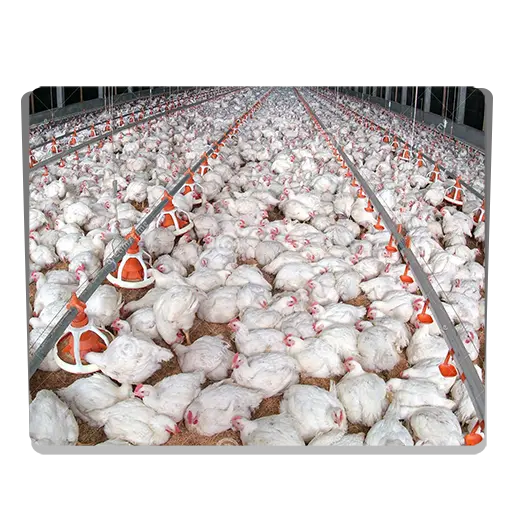
Things a technician checks when checking the condition of her breeding bird:
A breeding technician should make full use of his five senses in examining, changing and improving the conditions of the breeding environment. The five senses include sight, smell, taste, hearing and touch. Below are some of the things that can be used in the breeding period:
sense of sight
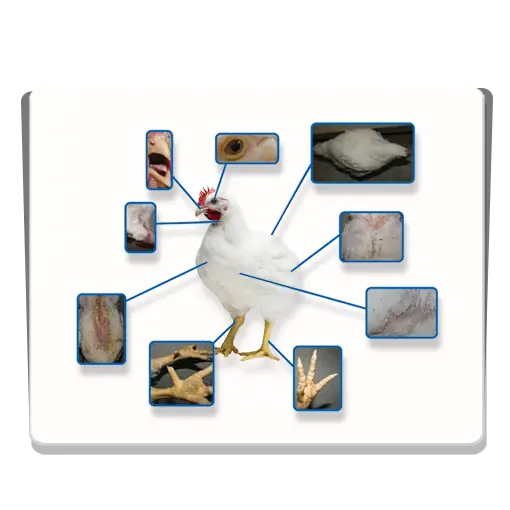
- مشاهده رکوردها و طرز عملکرد و شرایط کلی جوجهها از قبیل:
- تاج رنگ پریده، چشمهای کدر و غیر شفاف، ظاهر پرهای غیر شفاف و پرهای افتاده و ژولیده نشان دهنده وضعیت غیر عادی در گله میباشد.
- .
- .
- .
- Also, the status of the hall's management, how to use the tools and equipment, how automatic waterers and feeders work and their amount and number, the status of water dripping from the waterers, the number and mode of ventilation, the status of feed consumption and its quality in terms of size, humidity and mold, the appearance of the bedding in terms of dryness and wetness.
- Normally, feces of intestinal origin in poultry are fawn or brown in color with urate deposits on their surface. Feces originating from the cecum are dark brown in color, semi-liquid, and are usually passed once or twice a day. This type of feces should not be confused with diarrheal feces.
sense of hearing
- Any unusual noises in the flock are a sign of a problem in the flock. When the temperature in the brooder is low, the chicks make a short, distinctive sound like a squeal. Any unusual noises in the flock are a sign of a problem in the flock. When the temperature in the brooder is low, the chicks make a short, distinctive sound like a squeal.
- The presence of respiratory diseases in the herd can be detected by hearing. Sneezing, coughing, snoring, and whistling from the nose are the reasons for the presence of respiratory diseases in the herd. Basically, by turning off the ventilation (for a few minutes) during the dark hours, these symptoms can be better heard and examined.
sense of taste
- Tasting water indicates its heaviness, just as tasting food indicates its quality, especially if it is high in salt or if poor quality fish meal has been used.
sense of smell
- Smelling food and sensing an unusual odor, the smell of mold in food, the smell of ammonia in the room, and other unusual and dangerous gases are detected by the nose and sense of smell. Usually, ammonia should not be felt immediately after entering the breeding hall. The presence of ammonia in the hall can be a reason for poor ventilation and high humidity in the bedding. The nose and sense of smell are detected. Usually, ammonia should not be felt immediately after entering the breeding hall. The presence of ammonia
sense of touch
- If you touch the drinking water, you can feel the high and low temperatures of the water. The amount of feed, the quality of the bedding, and determining their humidity, as well as by touching the chickens in every way, many issues can be understood. Note: The nightly and daily inspection of the flock by the breeding technician should not be done casually, but should be done with complete care and patience, in this case, all five senses should be used. The factors affecting the growth and development of the bird that a breeding technician should have a complete understanding of are shown in the figure below.
Other duties of technicians in broiler breeding units include the following:
Daily control of feed, water, medicine, and fuel consumption during the breeding period and recording this information in the relevant software system and notebook.
* Daily control of the height and efficiency of the water and feed supply system and adjusting their height in proportion to the growth of the chicks.
* Control and inspect the hall's air for the presence of toxic gases and the level of hall ventilation, the cleanliness of dampers, and the performance of the hall's fans and vents (windows).
* Review and inspect the quality of the bedding in different parts of the hall, eliminate wet spots and investigate the causes of its wetting, try to quickly fix issues that cause the bedding to become wet, such as leaking drinkers, high density, drinking water quality, improper ration, relative humidity of the hall, the performance of the sprinklers, etc.
* Knowledge of the program, type, method, and days of vaccination in the herd and the necessary preparation for carrying them out.
* بررسی عملکرد سیستم تامین حرارت سالن، هیتر جتها از نظر صحت تولید گرما و حداقل تولید دود و گازهای سمی در سالن.
بررسی عملکرد سیستم تامین رطوبت سالن (مه پاشها) تعداد و زاویه نازلها، تمیز بودن فیلترها، مناسب بودن تایم تنظیم و فشار پاشش و اندازه قطرات تولیدی.
* نظارت بر صحت عملکرد سیستم اتوماسیون.
* نظارت بر عملکرد و تست تجهیزات اظطراری از قبیل ژنراتور تولید برق به صورت هفتگی، و مطمعن شدن از کارکرد صحیح آنها در مواقع بروز قطعی برق، (چک کردن آب، روغن و سوخت این ژنراتورها)، وجود کپسولهای زد حریق در نقاط مختلف مزرعه و توجه به تاریخ انقضاء آن ها.
* نظارت بر برنامه نوری (ساعات روشنایی و خاموشی)، میزان نور سالن از نظر یکنواختی نور، شدت نور، زاویه تابش، تعداد لامپها و تعویض لامپهای سوخته.
مدیریت پرورش گله در طول روز، شب و فصول مختلف تفاوتهایی دارد، لذا انتظار میرود تکنسین پرورش دهنده با رعایت شرایط مطلوب سالن در این تغییرات فصلی، از هرگونه تغییر ناگهانی در سالن جلوگیری کند و نهایت تلاش خود را در حفظ آرامش گله به دور از هر گونه استرس به کار بندد.
شرایط محیطی پرورش و نحوه درک پرندگان
از آنجایی که حواس پرندگان با انسانها تفاوتهای قابل توجهی دارد، لذا بررسی شرایط محیط پرورشی بهتر است با آشنایی از نحوه درک پرندگان از این شرایط موجود، بررسی گردد.
بهتر است همیشه دما، رطوبت، گاز، نور و بقیه موارد با نشستن و هم سطح ارتفاع جوجهها بررسی شوند، زیرا ارتفاع در میزان دما و گاز و شرایط محیطی تاثیر دارد. گازهای سمی به دلیل سنگین تر بودن در ارتفاع کم نزدیک به کف قرار میگیرند، لذا بررسی گازهای سمی هم ارتفاع با جوجهها صورت گیرد. باید توجه داشت به دلیل قرارگیری ریههای پرندگان در نقاط نزدیک به سطح بدن و وجود کیسههای هوایی داخل بدن، عدم تحرک ریهها در پرندگان سبب شده که در مقابل گرد و خاک، عفونت و گازهای سمی بسیار حساس و آسیب پذیرتر از انسان ها باشند.
پرندگان نور را چندین برابر نسبت به انسانها با شدت بیشتری درک میکنند، لذا صرفاً با چشم نباید در مورد نور سالن قضاوت کرد، لذا استفاده از دستگاهای لوکس متر و نحوه پراکندگی و تحرکات پرندگان در سالن بیانگر کافی و یکنواخت بودن نور در سالن میباشد.
پرندگان به دلیل پوشش پر و عدم وجود غدد عرق بر روی پوست خود و در سرعتهای مختلف جریان هوا، دما را طور دیگری از آنچه دماسنجها نمایش میدهند درک میکنند. همچنین پرندگان قدرت چشایی کمتری نسبت به انسانها دارند.